
The evolution of gambling tracing its historical paths and societal impacts
Ancient Origins of Gambling
The origins of gambling can be traced back to ancient civilizations, where it played a significant role in cultural rituals and social gatherings. Archaeological evidence suggests that Chinese, Roman, and Egyptian societies engaged in various forms of gambling. Dice, one of the earliest tools used for gambling, dates back to around 3000 BC in China, illustrating that the concept of chance has long fascinated humanity. Even today, players can find enjoyment in online crypto casinos that continue this age-old tradition.

In these early societies, gambling was often intertwined with religious practices. It served not only as entertainment but also as a means to seek guidance from the divine. The act of casting lots or rolling dice was thought to reveal answers to pressing questions, further embedding gambling into the societal fabric.
The Rise of Gambling in Medieval Europe
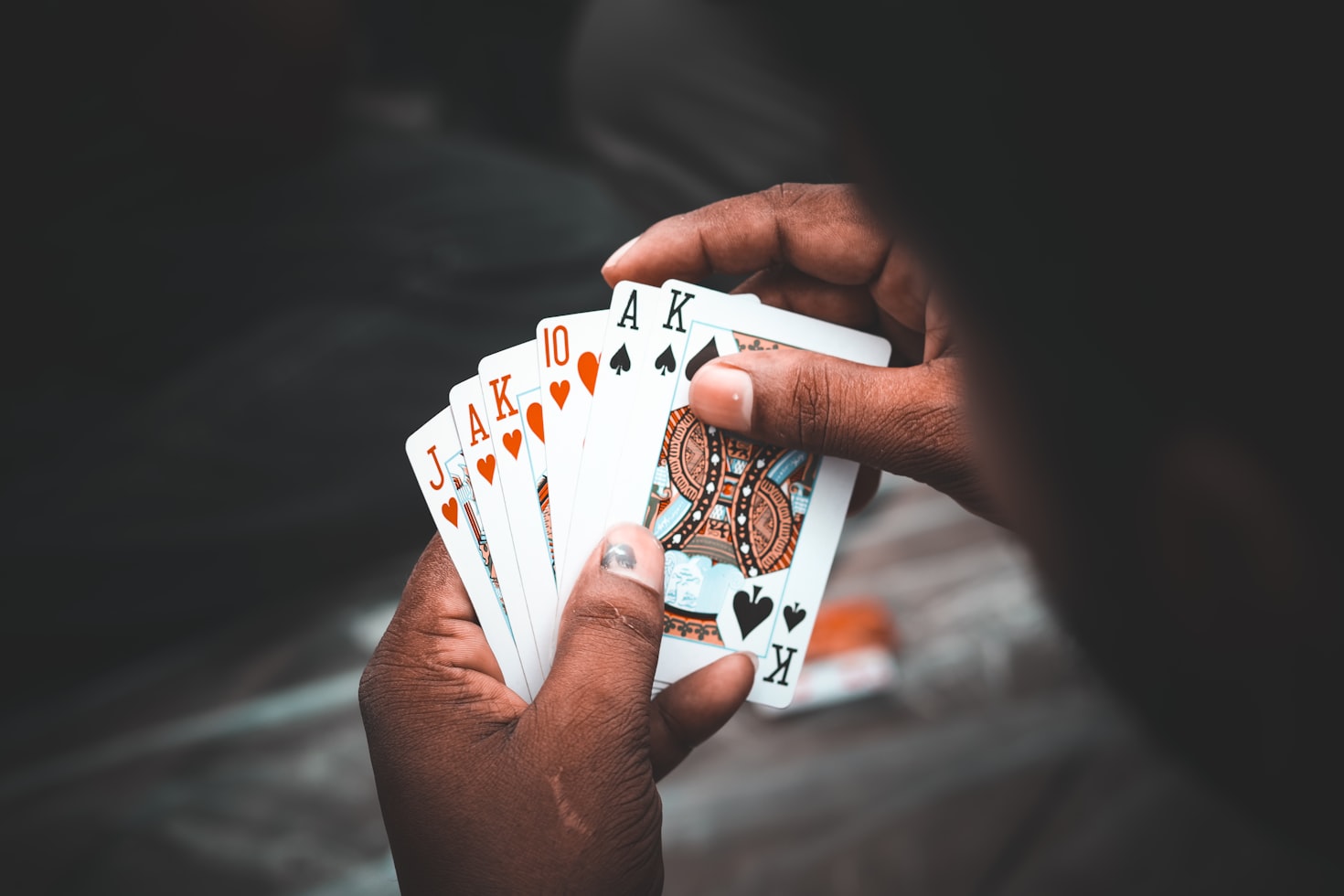
As societies evolved, so did gambling. During the medieval period, card games gained popularity across Europe. Gambling houses began to emerge, providing dedicated spaces for games of chance. These establishments became social hubs, attracting nobility and commoners alike. The introduction of playing cards in the 14th century transformed the landscape, allowing for more complex games and increased betting.
This era also saw the rise of lotteries, often organized by governments to fund public projects. Though initially viewed as a harmless pastime, the increasing popularity led to concerns about addiction and social decay. Such fears prompted periodic crackdowns, reflecting society’s complex relationship with gambling.
Gambling in the Modern Era
The 19th century marked a significant turning point for gambling, particularly with the establishment of casinos. The first modern casino opened in Venice in 1638, but it was in the 19th century that casinos flourished in cities like Monte Carlo and Las Vegas. These glamorous venues transformed gambling into a mainstream activity, attracting millions of visitors seeking excitement and fortune.
Advancements in technology during this period also influenced gambling. The invention of the slot machine in the late 19th century provided an accessible form of gambling, allowing even those unfamiliar with complex games to participate. This democratization of gambling made it an integral part of popular culture, further embedding it into societal norms.
Societal Impacts of Gambling
The impact of gambling on society has been profound and multifaceted. On one hand, it has generated significant economic benefits, contributing to tourism, job creation, and government revenue. Many regions have developed robust industries centered around gambling, with benefits rippling through local economies.
On the other hand, gambling has also led to social issues, including addiction, crime, and family problems. The rise of online gambling has exacerbated these concerns, making it easier for individuals to engage in risky behavior without the traditional safeguards found in physical establishments. As a result, ongoing debates about regulation and responsibility in gambling are more critical than ever.
Ravenszone.net and Responsible Gambling
As we explore the evolution of gambling, it’s essential to consider platforms like Ravenszone.net, which prioritize user safety and responsible gaming. This site offers a secure environment, leveraging advanced technologies to protect users from potential online threats.
By providing resources and guidance, Ravenszone.net aims to foster a safe gambling experience. Users can find support and information to navigate the complexities of online gambling, ensuring that their engagement remains enjoyable and responsible. Such platforms play a crucial role in the ongoing dialogue about gambling’s place in modern society.