
Uncovering the truth behind popular gambling superstitions
Understanding Gambling Superstitions
Gambling superstitions have existed for centuries, influencing the behavior of players in casinos and betting environments. These beliefs often stem from cultural traditions, historical events, or anecdotal experiences. Many gamblers cling to these superstitions, believing that luck can be manipulated through certain actions or rituals, from carrying a lucky charm to avoiding specific numbers. Some even explore non gamstop casinos for a change of luck and environment.
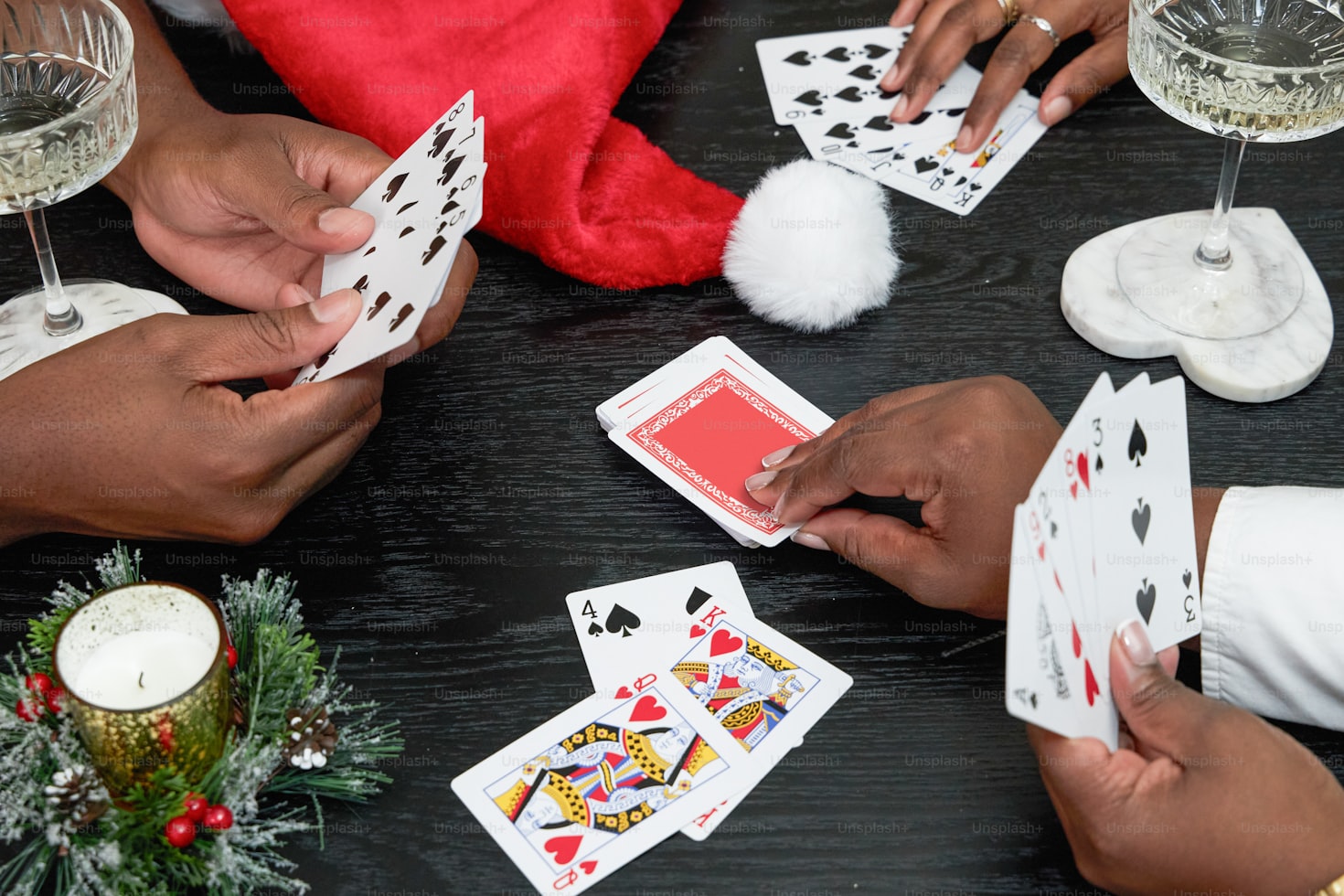
The psychological impact of these superstitions can be profound. For many, they provide a sense of control in an environment dominated by chance. Understanding the origin of these beliefs helps demystify why gamblers act the way they do and offers insight into the deep-rooted human desire for luck and fortune.
Common Superstitions in Gambling
Some of the most prevalent gambling superstitions include the belief that certain colors, numbers, or objects can influence outcomes. For instance, the number seven is often considered lucky, leading players to favor it in games like roulette or slots. Similarly, wearing specific colors, such as red, is thought to attract positive energy and luck.
Another common superstition is the notion of ‘bad luck’ linked to particular behaviors, such as sitting in the same seat at a poker table or touching one’s chips only after a win. These rituals, while unproven, provide a psychological comfort that can enhance the gambling experience, regardless of their actual effect on the outcome.
The Role of Environment in Superstitions
The environment in which gambling takes place can greatly influence superstitions. Casinos often capitalize on this by creating atmospheres that encourage belief in luck, such as using bright lights, engaging sounds, and elaborate decorations. The more immersive the experience, the stronger the connection gamblers may feel to superstitions.
Social interactions within gambling environments also play a significant role. Players often observe the actions of others, adopting superstitions they see as successful. The communal aspect of gambling can reinforce these beliefs, creating a shared culture that encourages specific behaviors and rituals.
Debunking Gambling Myths
While superstitions are deeply ingrained in gambling culture, it’s essential to recognize that luck and chance are fundamentally random. Many gambling experts emphasize that no ritual or belief can alter the mathematical probabilities of games. Understanding this reality can help gamblers make more informed choices and reduce reliance on superstitions.
Debunking these myths can lead to a healthier gambling approach. Players can learn to enjoy the games for their entertainment value rather than relying on luck-enhancing beliefs. Recognizing the randomness of outcomes can also help mitigate the emotional highs and lows that come with gambling.

Exploring Further on Gambling Culture
For those interested in learning more about gambling culture and its intricacies, exploring various resources can provide valuable insights. Websites dedicated to gambling education often delve into the history, psychology, and strategies behind popular games and their associated superstitions.
Understanding the nuances of gambling can enhance one’s experience, making it more enjoyable and less reliant on myths. Engaging with communities that focus on responsible gambling practices can also help individuals navigate their gambling journeys with clarity and confidence.