
Understanding the psychology of gambling Insights from Pin up
The Allure of Gambling
The psychology behind gambling is deeply rooted in human behavior, appealing to our desires for excitement and instant gratification. Many individuals are drawn to the thrill of placing bets, where the potential for significant rewards creates an adrenaline rush. This allure is not just a matter of chance; it taps into our innate tendencies to seek rewards and take risks, often leading to complex emotional experiences. For those interested in exploring options, you can login Pin up and find various gaming opportunities available.

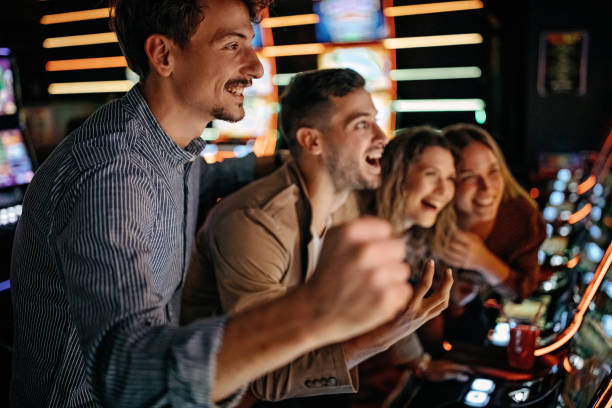
Additionally, the environment of a casino or online gambling platform, like Pin up, is designed to enhance these feelings. Bright lights, engaging sounds, and the presence of other players create a stimulating atmosphere that encourages participation. Understanding these psychological triggers can help individuals recognize why they gamble and how to approach it responsibly.
The Role of Cognitive Biases
Cognitive biases play a significant role in gambling behavior, often leading individuals to make irrational decisions. For instance, the gambler’s fallacy, where one believes that past outcomes influence future results, can lead to continued betting despite losing streaks. This misconception can fuel a cycle of gambling that becomes difficult to break, as players cling to the hope that luck will eventually turn in their favor.
Furthermore, confirmation bias leads individuals to focus on winning experiences while downplaying losses. This selective perception can reinforce the belief that gambling is a sustainable way to make money, further entrenching individuals in their habits. Understanding these biases is crucial for both gamblers and those looking to help them, as it highlights the psychological traps that can lead to irresponsible behaviors.
Emotional Factors in Gambling
The emotional landscape of gambling is complex, encompassing a range of feelings from excitement to despair. Many people gamble as a way to escape stress or cope with difficult emotions. The highs of winning can provide temporary relief, while losses often lead to feelings of guilt or shame. This emotional rollercoaster can create a dangerous cycle, where individuals may gamble more to chase lost money or alleviate emotional pain.
Additionally, social dynamics play a role in gambling behavior. Many people enjoy the social aspect of gambling, whether in a physical casino or online. The community can provide support and shared experiences but can also reinforce negative habits. Recognizing the emotional triggers behind gambling is essential for fostering healthier approaches and making informed decisions.
The Impact of Technology
The rise of online gambling platforms, like Pin up, has transformed how people engage with gambling. The convenience of accessing games from home or on mobile devices has increased participation and, unfortunately, the risk of developing problematic behaviors. Technology has made gambling more accessible than ever, which can lead to impulsive decisions and increased spending.
Moreover, the integration of algorithms and targeted marketing strategies aims to keep players engaged, often manipulating psychological triggers such as reward schedules. Understanding the impact of technology on gambling behavior is vital for promoting responsible gaming practices and developing tools that help individuals maintain control over their gambling activities.
Resources and Support for Gamblers
For individuals seeking to understand their gambling habits or those affected by problematic gambling, resources are available to provide support. Educational platforms, counseling services, and community forums offer valuable insights and strategies for managing gambling behavior. Online resources can help individuals develop a better understanding of the risks involved and encourage responsible practices.
Websites like Pin up not only offer engaging gambling experiences but also serve as platforms for education and support. By promoting awareness of the psychological aspects of gambling, these platforms can play a vital role in helping individuals make informed choices and seek help when necessary. Understanding the psychology of gambling is the first step toward a more responsible and enjoyable experience.